

Arriving in Cuba!
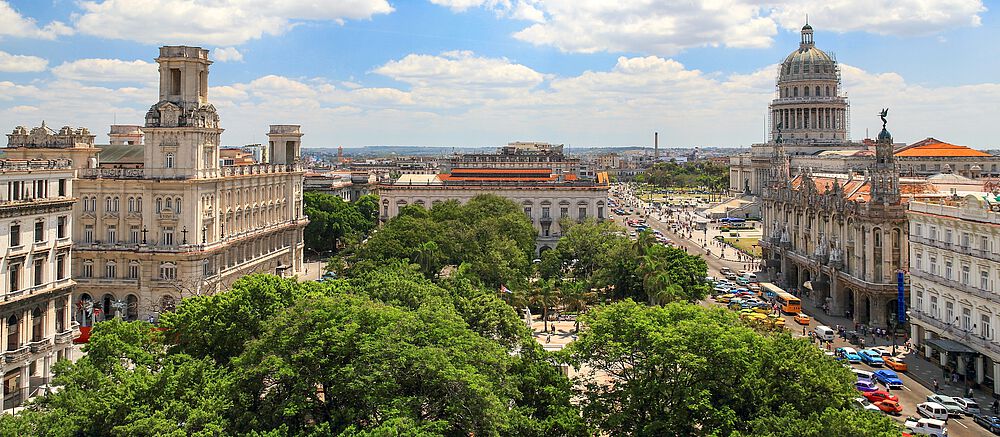
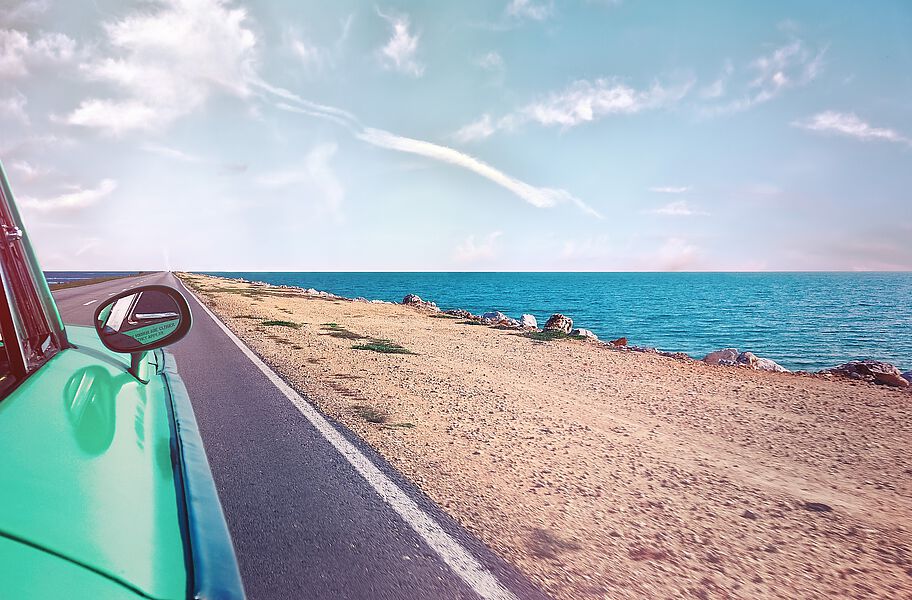
Cuba's southern islands make for a truly worthwhile destination. Our starting point was the city of Cienfuegos on the island's south coast. Two days earlier we'd arrived in Havana to acclimate and see the capital. The highway alone from the north coast to the south is an experience in its own right — though it's worth hiring a local driver, since the quirks of Cuban roads can easily trip up a Central European behind the wheel.
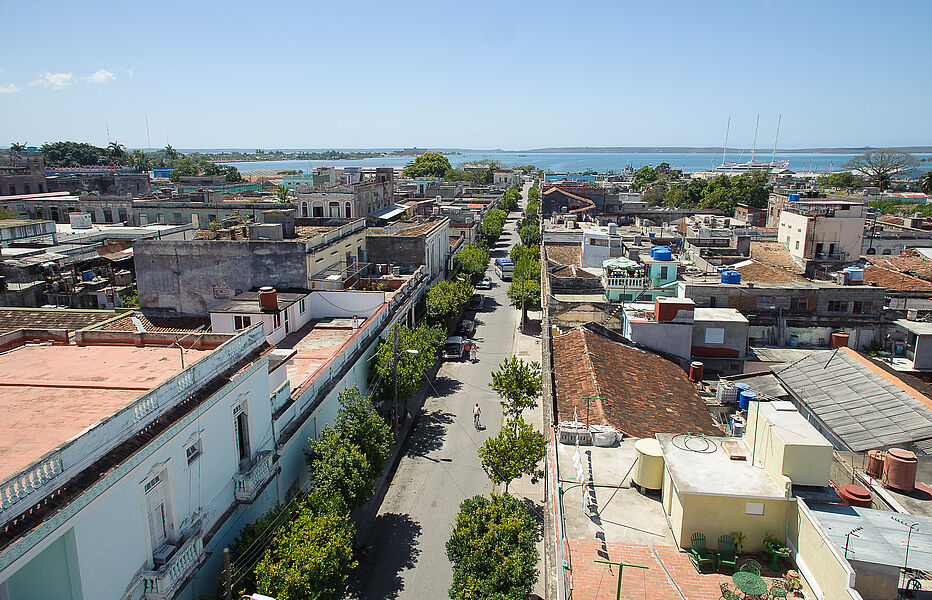
Unlike Havana, Cienfuegos feels almost tranquil and remarkably clean. On Sunday morning, after casting off on our catamaran — a Lavezzi 40 — our first stop was the island of Cayo Sal, a stopover for anchoring overnight.
Since there's no truly sheltered bay there, we were about to get our first real introduction to Cuban winter winds.
After a peaceful, blissfully quiet evening and a picture-perfect sunset, a strong wind kicked up overnight — as it would on the following nights too. Gusts up to 40 knots were no problem for our anchor holding. But the next morning, as we were hauling anchor, our already well-worn windlass gave out despite our best care. The entire anchor chain ran out into the sea. Given the choppy conditions, we had no choice but to leave the anchor and chain behind. As originally planned, we continued on to Cayo Largo and the Marina Marlin.
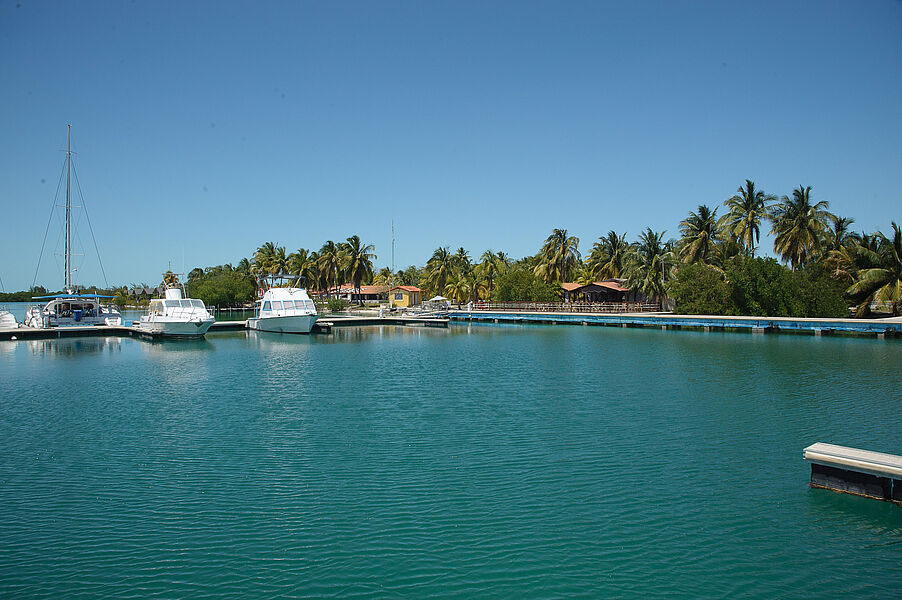
The marina had a small boatyard, where we dropped off the windlass for repair right away. Despite Cuban mechanics' famous ingenuity, the unit was in bad enough shape that buying a new one made more sense. The charter company promised delivery within two days. We weren't too disappointed that our trip couldn't continue as planned the next day, since it was such a beautiful place to linger. So the following day we took the dinghy out to the surrounding small islands, where we spotted giant conch shells, all kinds of sea creatures, and even iguanas. The warm, sapphire-blue sea was perfect for a snorkel or dive here and there. This "honeymoon island" also had a restaurant or two worth visiting — lobster was the order of the day. The marina manager was a wonderfully caring man who looked after his guests with real dedication. In his office hung a photo of him with Fidel Castro from his younger days — he'd been honored as a veteran of the Algerian independence struggle.
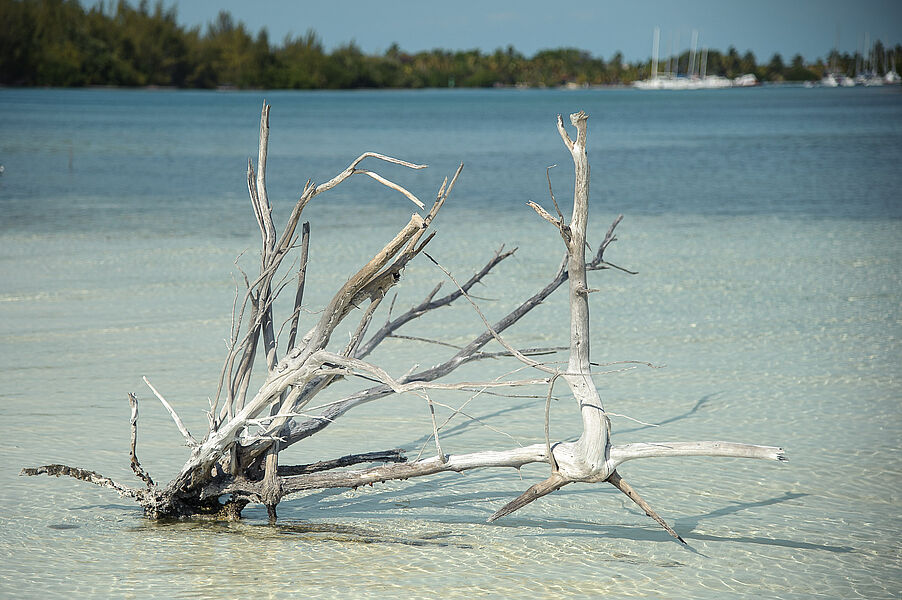
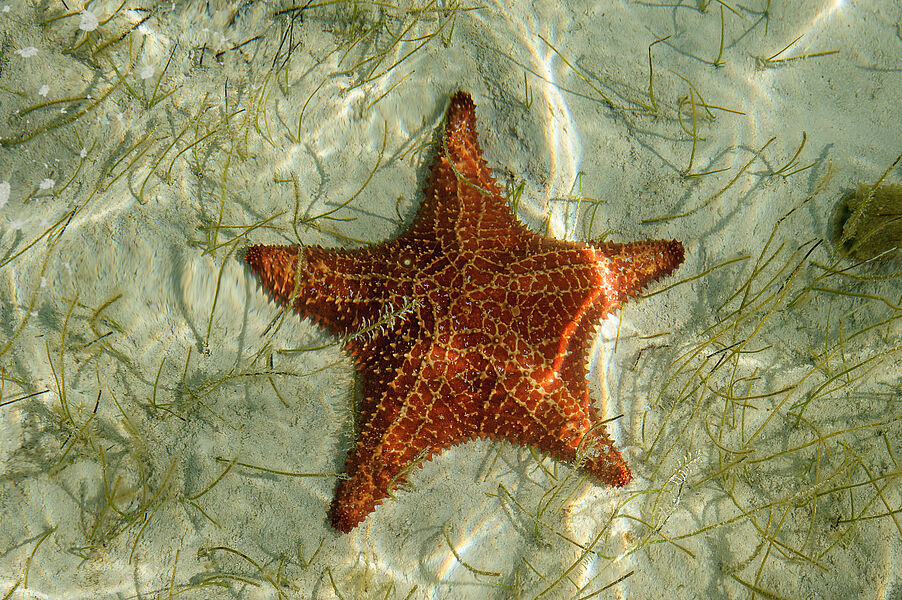
The day after, once a brand-new, fully functional windlass was installed, we headed back to Cayo Sal to retrieve the anchor, joined by a couple we'd befriended in the marina who were there for a diving vacation. Including the search, the whole maneuver took less than two hours. The divers' help, plus the fact that we'd carefully noted our anchor spot using landmarks, worked in our favor. From a depth of about eight meters, the anchor and chain were found and recovered without any trouble. We took the return route along the northern side of the island chain, where the sea is only a few meters deep — and were rewarded with brilliant light-blue water, visibility clear to the sandy bottom, and sightings of dolphins and starfish. Back at the marina that evening, the mood turned wonderfully festive over glasses of fantastic Cuban rum.
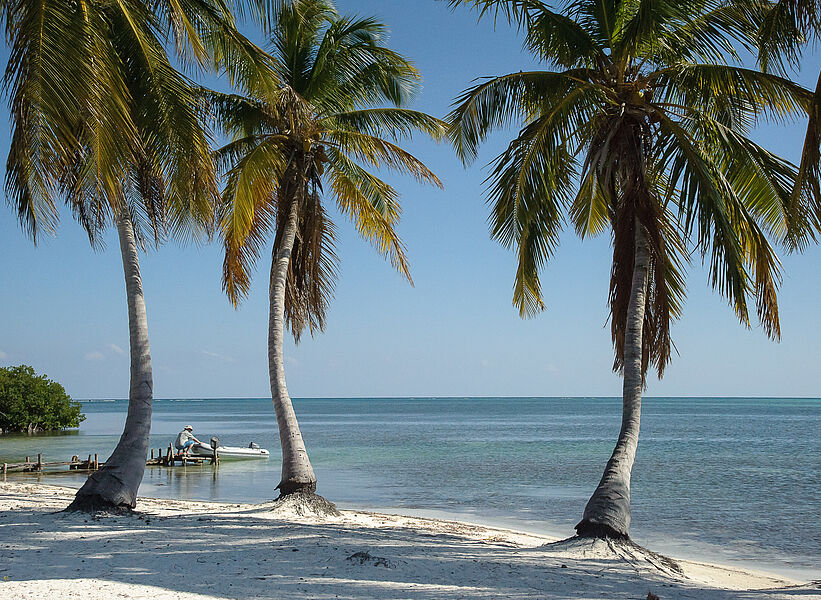
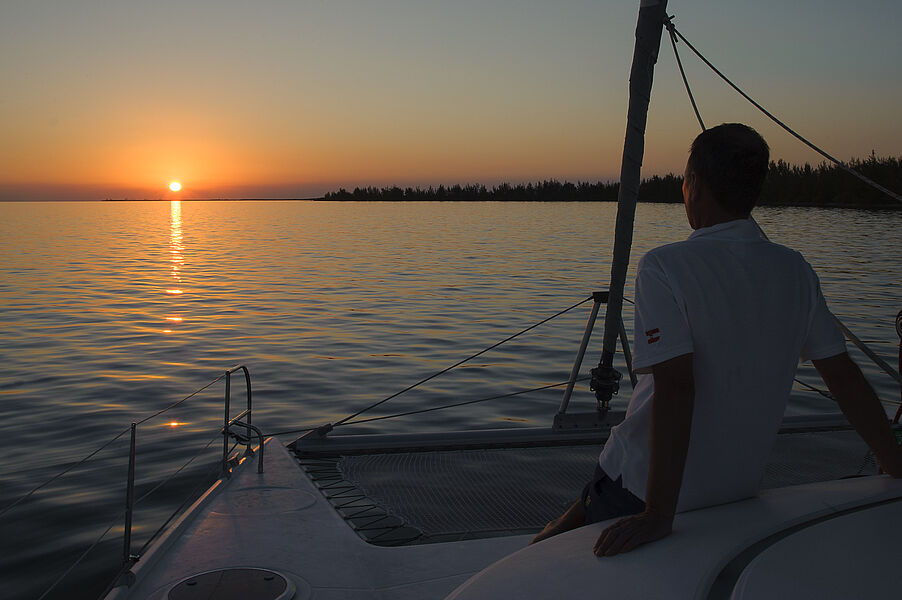
The next day we set out for the westernmost point of our trip, the island of Cayo Hicacos. After a long sail with excellent following winds, we approached the mangrove island and anchored off its southern shore. Every day the wind died down by afternoon, so this bay turned wonderfully still, the water like glass. Overnight, we were well protected too — by a mangrove forest to the north and northeast, and a coral reef to the south and west. That evening we savored a gorgeous sunset and an excellent dinner prepared by our onboard cook.
The next day we headed to the eastern part of the island. We first crossed the sea south of the coral reefs. Rounding the island heading north, we sailed for the first time through emerald-green water three to four meters deep, feeling like we'd stumbled into a giant swimming pool. Crew members who took a swim in this paradise-like water soon found themselves swept off by the current and had to be picked up by the yacht — but it was an unforgettable experience all the same. Our anchorage that afternoon was just as heavenly. I'd honestly say it was the most beautiful place I've ever experienced, despite all the extensive sailing trips I've taken over the years.
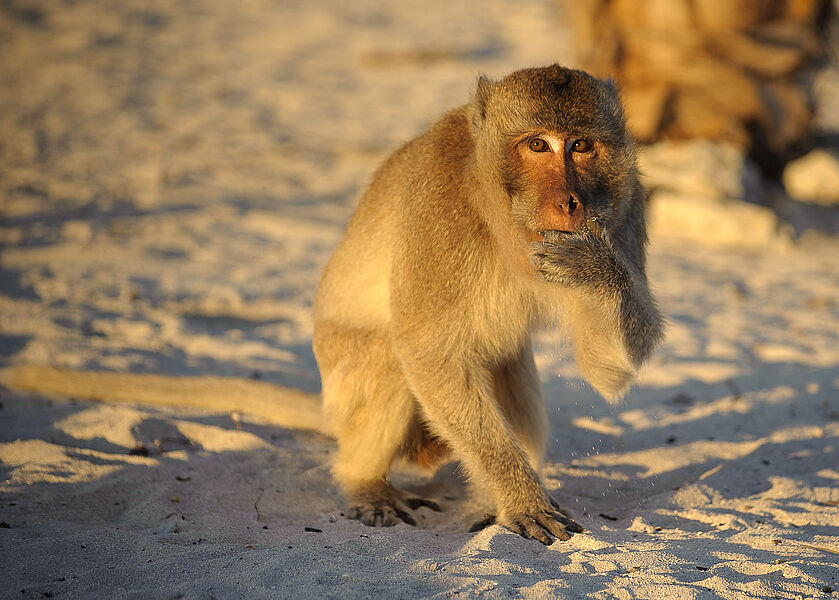
We decided within minutes to spend two days there. Sheltered by two islands and the coral reef ahead of us, we spent two beautiful days in this bay — just 3.5 meters deep, fringed with palms and mangroves, and blessed with crystal-clear emerald water. Right on the island's beach stood a ranger station, and soon after we arrived, some wild monkeys came by to greet us, apparently looking for their usual handout. Among the storm-bent palms, a ranger lived in a small, secluded hut and clearly welcomed the change of pace our visit brought. Before long, cigarettes and beer were being traded for fish for dinner.
We weren't quite ready to give up this paradise. The next day we set sail again, heading for Canal del Rosario, continuing north along the islands through pale green shallows. The wind was in our favor, and by afternoon we reached the strait between two islands. The beaches were littered with huge queen conch shells — sadly, exporting the shells is strictly forbidden, or we'd easily have brought home a magnificent souvenir or two. Here again we ran into iguanas onshore. According to our guidebook, you could catch spiny lobster by hand at this spot, but after a passing fisherman traded us some of his own catch for a few cigars, we skipped the effort. A gorgeous sunset and another wonderful dinner awaited us once more.
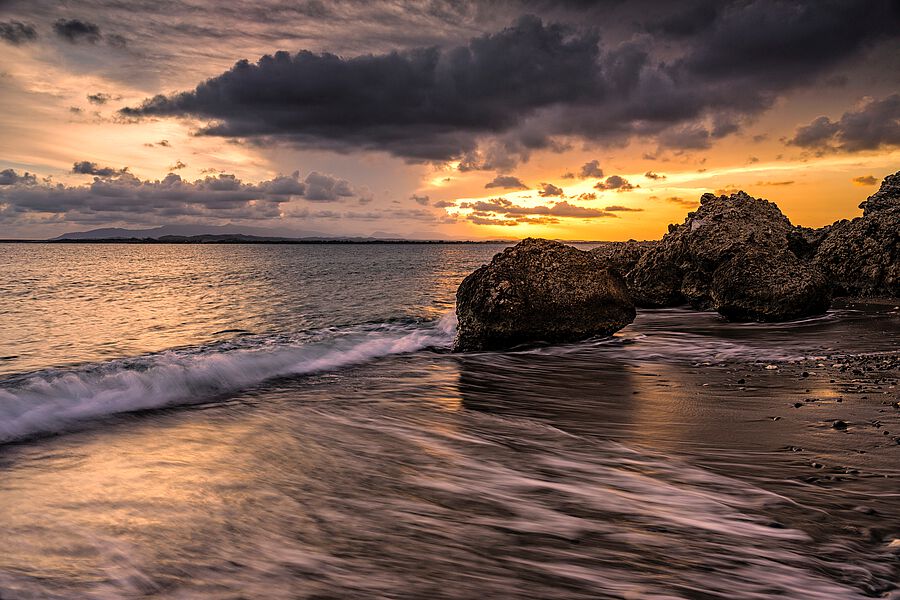
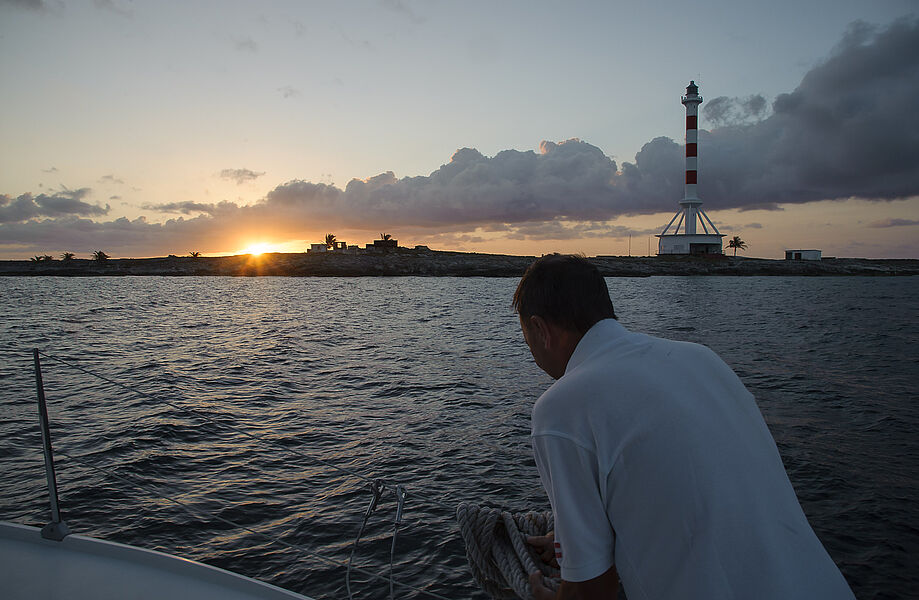
The next day took us back to Cayo Largo, though not to the marina this time — instead to an endless stretch of sand beach with pale blue water and offshore reefs, perfect for diving and snorkeling. Leaving this landscape behind the next day was clearly hard on all of us. After one more night at the marina we already knew, we left the island group behind, stopping for the night at Cayo Guano del Este on the way back to Cuba. This uninhabited island, marked by its tall lighthouse, was visible from a long way off. Here we also left behind the shallow waters and their dreamy emerald and turquoise hues.
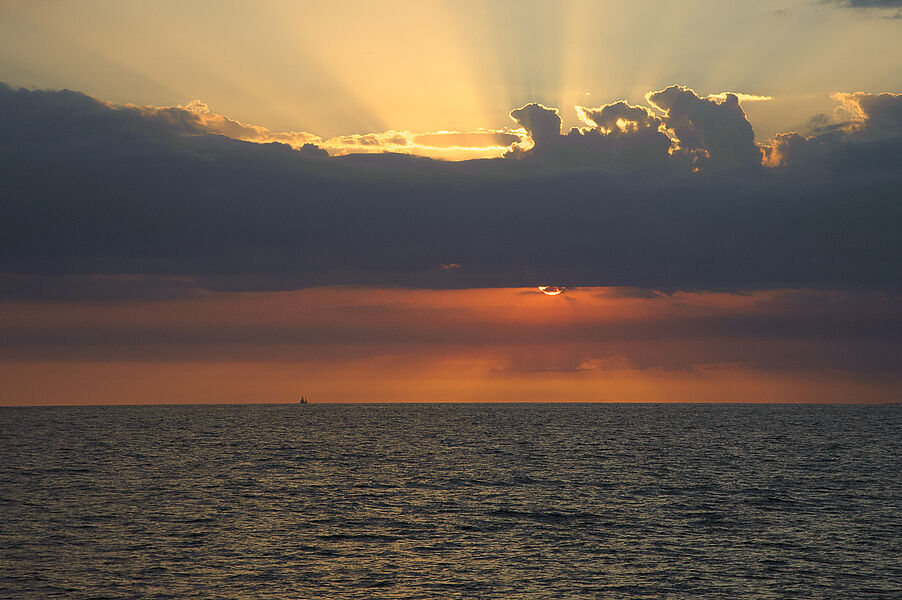
The sea beneath us was 1,200 meters deep as we left the lighthouse island behind, heading north toward Cienfuegos. The water's color shifted to dark gray, nearly black, helped along by some light cloud cover. The wind stayed on our side, as it had for the past two weeks, and we sailed at good speed into Ensenada Arimao bay, roughly two nautical miles from the entrance to Cienfuegos. We had this bay, with its crystal-clear water, entirely to ourselves. Here we treated ourselves to one more seafood-enriched dinner and one last dreamy sundowner — timed perfectly, a ship happened to pass along the horizon during the show, making for a wonderful photo.
The next day, after a visit to a coral reef, we began the last leg back to our starting harbor in the afternoon. At the entrance we were greeted by "Bienvenidos Socialista" painted on a wall — welcome, socialist! In the natural paradise of the past days, we'd hardly felt any trace of the country's political character.
Cuba now has a small but growing private sector, which we made good use of for excellent accommodations and several outstanding meals, capping off this wonderful trip with a final visit to Cienfuegos and the UNESCO World Heritage town of Trinidad over the following two days.