

Taormina, the strikingly picturesque town on Sicily's east coast, was the first stop of our trip. Mark Knopfler wasn't wrong to dedicate a song, "Lights of Taormina," to this hillside town rising above the coast. Here we breathed in glorious Mediterranean air for the first time and got an early taste of what the next two weeks had in store: Sicily's breathtaking art, culture, cuisine, and landscapes.
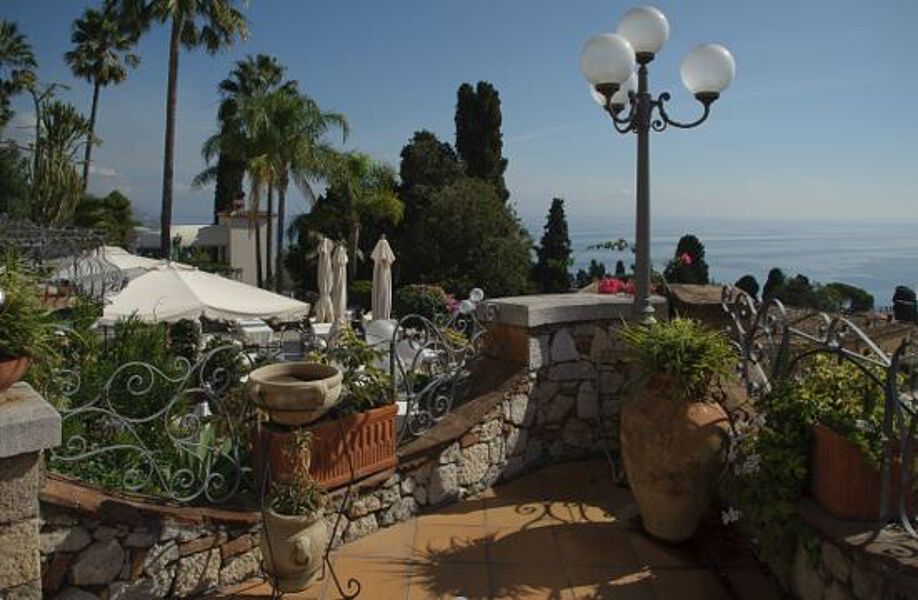
The next day, our taxis arrived a little late to take us to Capo d'Orlando. The starting point of our cruise was a brand-new marina with every comfort — showers, shops, restaurants. Check-in wasn't entirely smooth, since the yacht we'd chartered was in for repairs. As a replacement we got a brand-new Dufour 512, which turned out to be no downgrade at all. Early the next morning we set off toward the Aeolian Islands, making our first stop at the small, wonderfully unspoiled Marina di Orlando on the island of Vulcano.
The fast ferries that shuttled between mainland Italy, Messina, and the island group kicked up considerable wake during the day, but our overnight anchorage was very calm. In the afternoon we hiked up to a volcanic crater, the Gran Cratere. The volcano erupted so violently in the late 19th century that it buried large parts of the island in ash and rubble. It's remained peaceful since — though we could see the smoke and sulfurous fumes from this still-restless volcano from quite a distance.
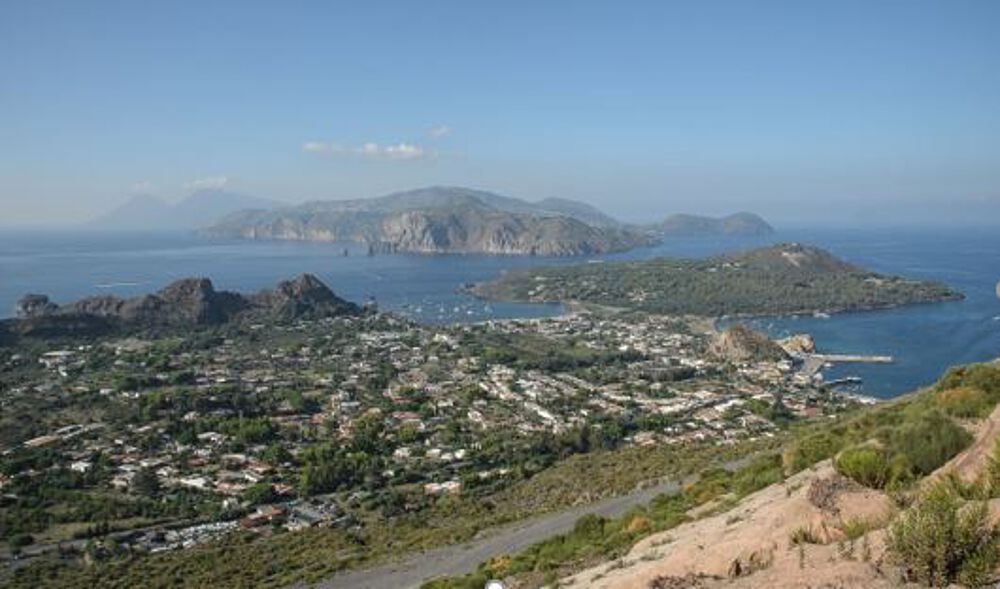
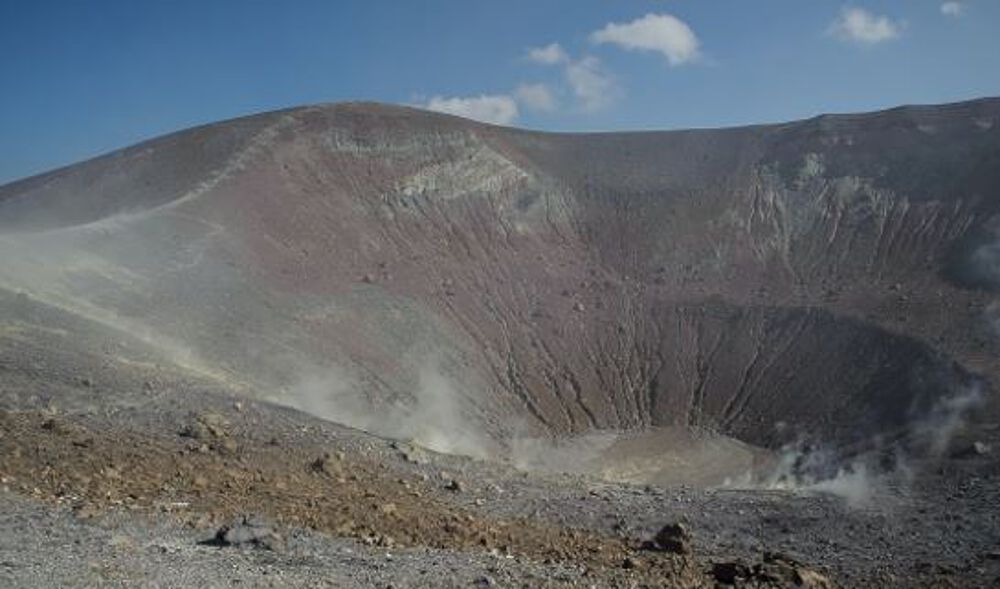
It was a wonderful feeling to take in the island world from the rim of the caldera. Down in the settlement at the volcano's foot, you can bathe in warm, supposedly therapeutic mud pools. That evening, a pizza delivery service brought several excellent pizzas right to the boat.
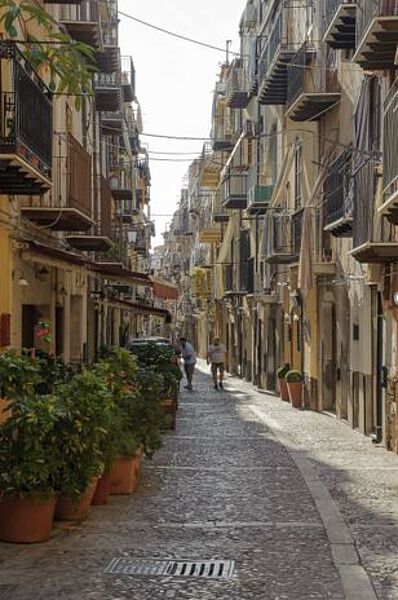
On day two we set off early again to reach Cefalù on the Sicilian coast. The wind was light that day too, so we motored across calm seas for several hours before reaching the small, well-protected marina near town.
Once the boat was secured, we set out to explore this medieval town, still shaped by centuries of Norman influence. The narrow lanes and the Romanesque cathedral left a lasting impression. That evening, in one of the town's restaurants, we discovered just what Sicilian cuisine is capable of.
The forecast called for a "Medicane" — a Mediterranean hurricane — sweeping from Greece toward the Sicilian coast over the following days. So we decided to tie up the boat for a few days at our westernmost destination, Palermo. After a calm passage and a refueling stop, we managed to dock at Marina Villa Igiea after a short wait.
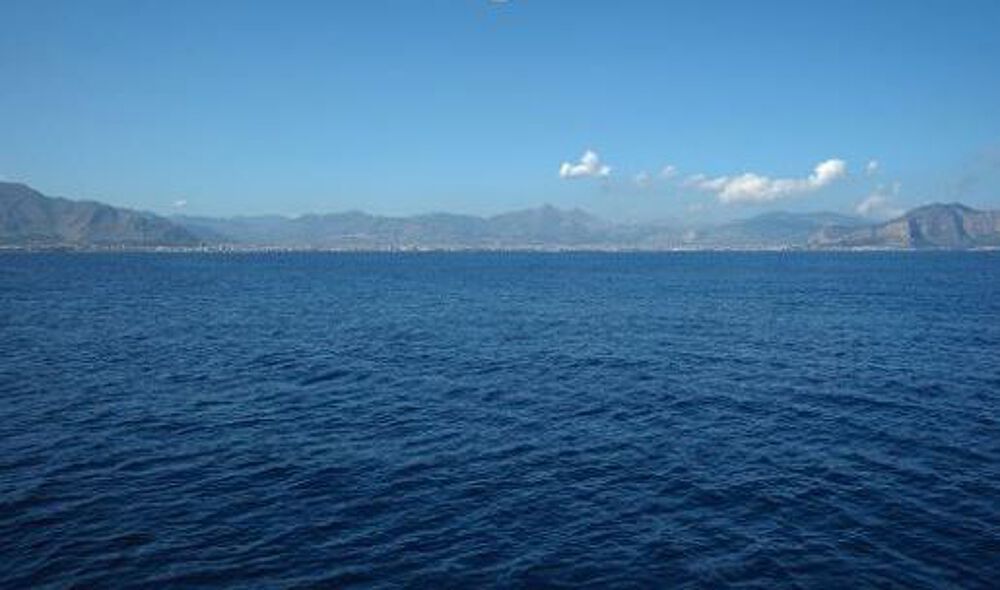
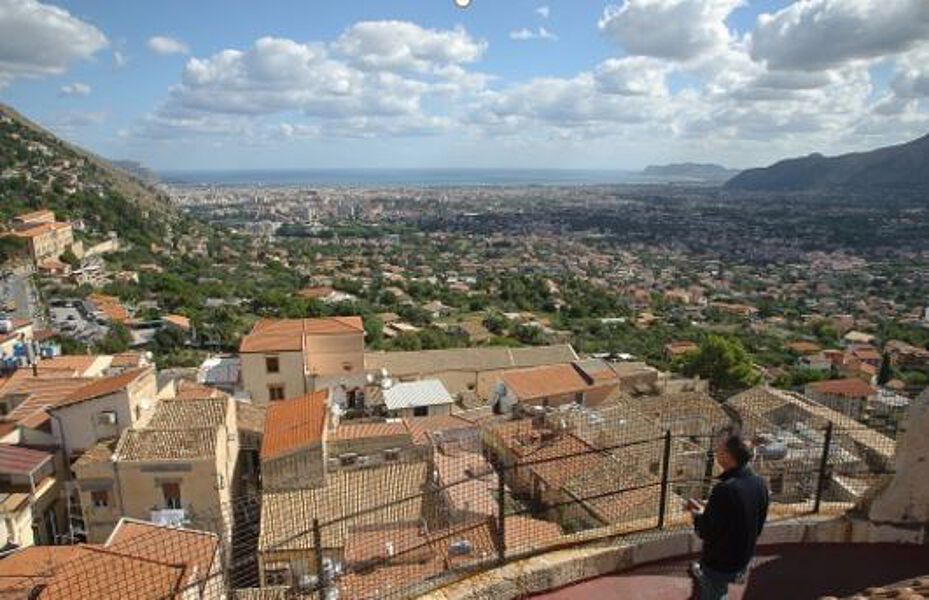
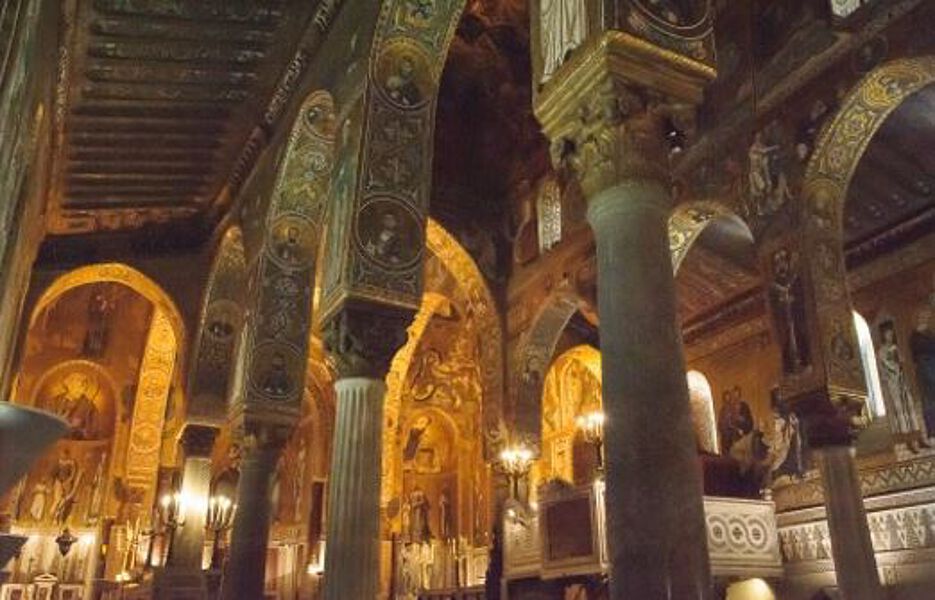
A short report like this can't do Sicily's capital justice — suffice to say, it's absolutely worth the trip. The Normans and the Hohenstaufen emperors left an especially deep mark here. Roger and Frederick are names tied to magnificent Romanesque palaces and churches, unique in Europe, shaped by Byzantine and Arab influence. Visiting these landmarks is an absolute must for anyone traveling to Sicily.
Churches and civic buildings from the Spanish period round out the list of sights. A few shopping strolls through the many streets and markets, plus a trip to nearby Monreale, meant our two-and-a-half-day stay was never dull for a moment.
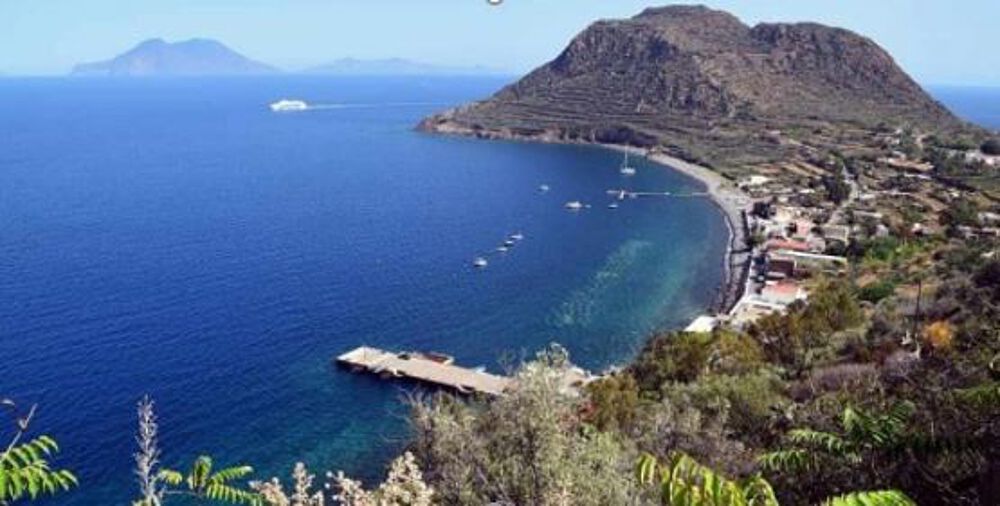
Once the Mediterranean hurricane had moved on toward the Aegean and calm, good sailing weather set in, we continued our journey on Friday toward the Aeolian Islands, aiming for the island of Alicudi, 52 nautical miles away. A good sailing breeze got us there quickly. But since the only quay at Porto di Alicudi was under construction, we pushed on another ten nautical miles to Filicudi, mooring to a buoy at Pecorini a Mare, on the island's lee side. The extra distance was absolutely worth it.
Below us, the houses of this quiet little settlement climbed the hillside. At the foot of the village stood the so-called "Grand" Hotel Sirena, with an outstanding, laid-back restaurant serving typical Sicilian specialties and wines. A handful of guests — I'd call them dropout-tourist types — sat at the other tables. With the sea calm, almost glassy, we found here a place where you truly felt you'd arrived.
Since we were sailing a replacement boat, the owner wanted to swap our yacht for the (now-repaired) model we'd originally chartered that Saturday. We offered to make the swap on the island of Lipari, which we'd planned to visit later anyway but which now lay right on our route. Unfortunately, the charter company didn't have time to make the exchange happen.
So we left that island to starboard and headed for Panarea instead. This little island was a retreat for wealthy vacationers from Calabria, and we got a taste of its gorgeous villas as soon as we tied up to a buoy at Punta Peppemaria. Even more striking than the glamorous surroundings was the view of Stromboli, just ten nautical miles away, its plume of ash and gas constantly reshaping itself above the crater. We watched this natural spectacle all evening. Shortly before nightfall the volcano fell quiet, and it stayed that way for the rest of our stay.
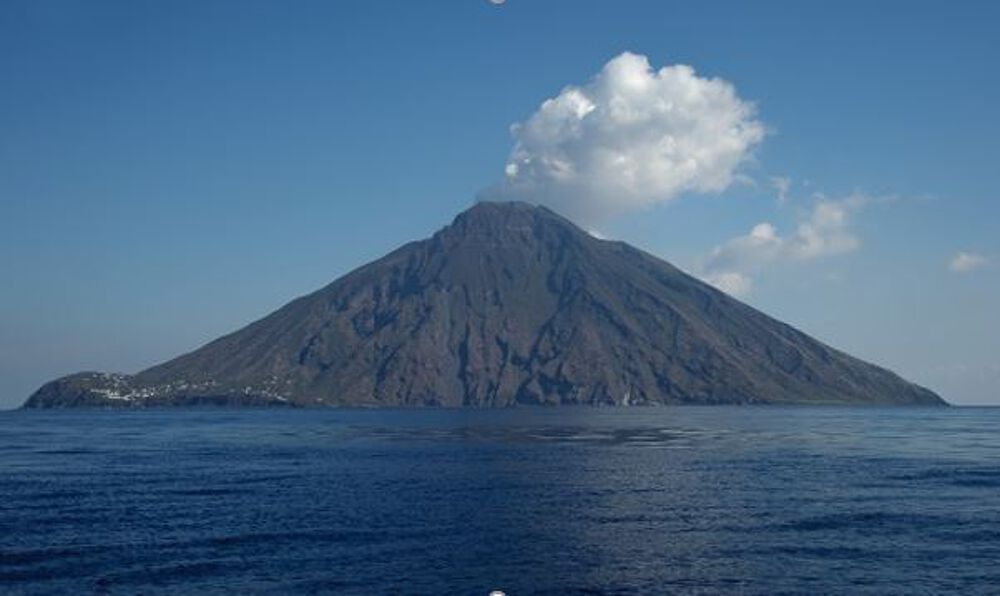
The next day we obliged the yacht owner's request to swap boats, which meant we couldn't continue on to Stromboli as planned. Instead we sailed back to Lipari, where we'd also spend the night. Naturally, we negotiated financial compensation for the detour caused by the route change, which we received after some discussion at the end of the trip.
After switching to our Dufour 45, we toured the town, which was packed with all kinds of culinary shops, souvenir stores full of inventive local crafts, and excellent restaurants. Besides a few glamorous Mediterranean lanes and squares, there was also a cathedral built under Spanish rule to visit. The older structures surrounding the church, in particular, still bear witness to the region's clashes with the Moors. Here too, the Normans and Hohenstaufens were responsible for founding and preserving the settlement and its church.
We took a particular liking to a restaurant called L'Anfora, which served outstanding dishes. Their zuppa di cozze (mussel soup) won us over so completely that we came back to this restaurant again later in the trip.
After a delicious and fascinating evening, we set sail the next day toward one of the trip's true highlights: the active volcano Stromboli. On arrival we circled the island, which let us watch the eruptions in the caldera up close along the north side, where lava flows reach the sea. It was a truly extraordinary natural spectacle, one that put the smallness and fragility of our own existence into perspective. Unfortunately, we couldn't find a suitable overnight mooring on a buoy — since there's no sheltered bay at the volcano and gusts up to 35 knots with heavy swell were forecast after midnight, the buoy operators warned us against staying past midnight and declined any responsibility. So we sailed back to Panarea to pick up a buoy there instead.
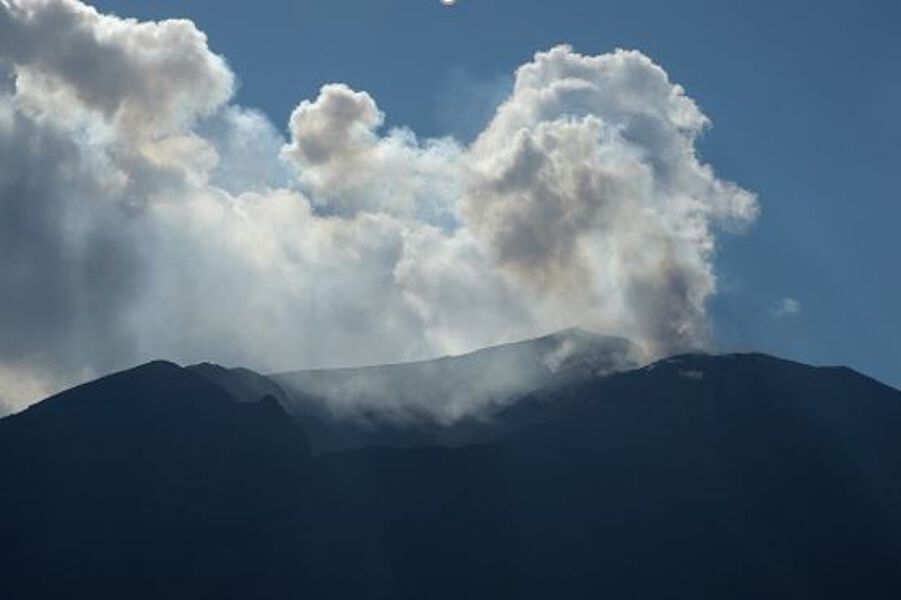
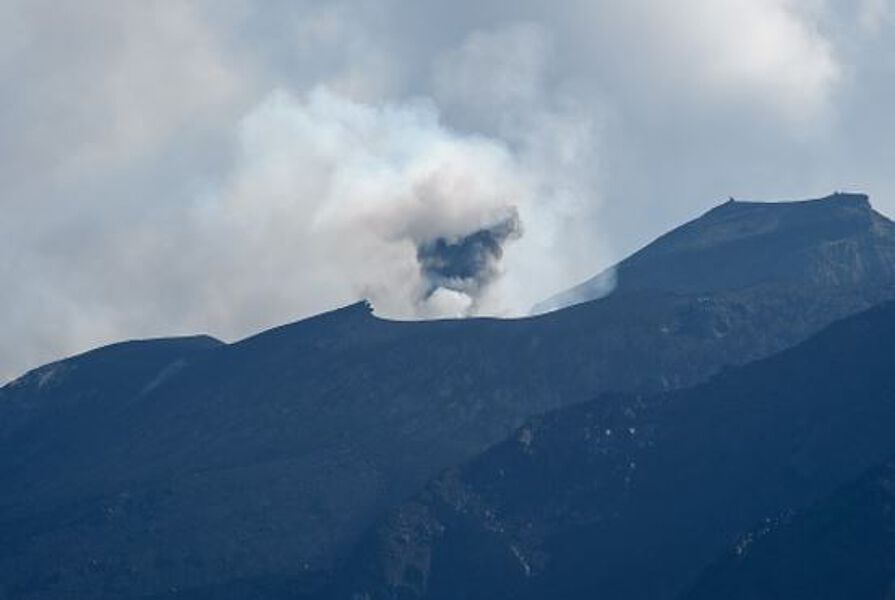
The next morning, with the forecast in mind, we sailed to the island of Salina and into a very sheltered marina. The first autumn storms were due to sweep over the islands by late afternoon — Mediterranean summer here starts winding down in October, too.
As we cast off from Panarea, the previous hours' thunderstorms had cleared the air for a spectacular view: behind us, Stromboli's activity; about 15 nautical miles ahead, the smoke plumes of Vulcano; and in the distance, the towering, equally active volcano Etna. It left no doubt — we were in the land of volcanoes.
The next day, after a stormy night in the sheltered marina, we set out to explore this quiet little village and the island's landscape, with its twin volcanic peaks. A great deal of work had gone into gentle, low-impact tourism here. For anyone who loves a bit of solitude and wants to enjoy nature, this is exactly the right place.
We used the second-to-last day of our trip, blessed with excellent sailing weather, for a tour through the island group with Lipari as our destination — and a return visit to our now-familiar restaurant, L'Anfora.
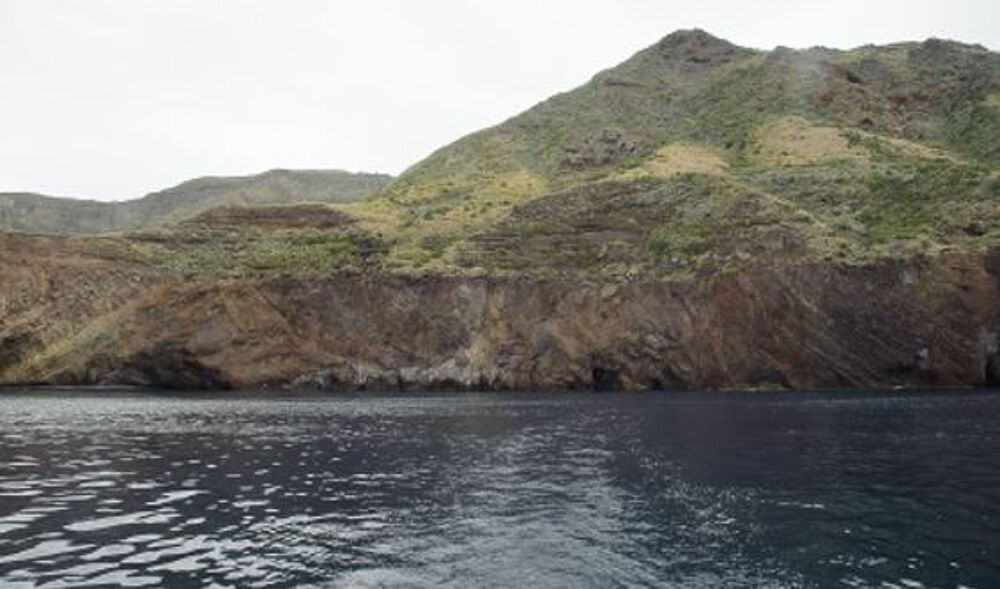
On the way back to base at Capo d'Orlando, during an anchor stop off Lipari's west coast, we spotted impressive evidence of the region's geological history on the final day of our trip — cross-sections of a long-cooled caldera cut into the cliffs, with clearly visible layers of sediment deposited over the ages.
After the cruise ended, we visited Catania, Syracuse, and the Baroque town of Noto — rounding off what was already an extraordinarily rich and fascinating journey.